The casual bistro represents one of the most dynamic sectors of the hospitality industry. These establishments are characterised by their lively atmospheres, robust beverage programs, and a culinary approach that balances comfort food with elevated technique. Consequently, the menu design must walk a fine line: it needs to feel relaxed and accessible, yet sophisticated enough to justify a mid-tier price point.
Tone and Language
Unlike the austere descriptions found in fine dining, casual bistro menus benefit from a warmer, more descriptive tone. Language can be slightly more evocative, employing adjectives that highlight the preparation method—words like *charred*, *braised*, *house-smoked*, or *hand-cut* do significant heavy lifting here. These terms convey craftsmanship without sounding pretentious.
The goal is to reduce the barrier to entry. If an ingredient is particularly obscure, a well-designed bistro menu will either briefly explain it or pair it with familiar, comforting components. This builds trust with the diner, encouraging them to order outside their usual comfort zone knowing the foundational flavours remain approachable.
Strategic Layout and Up-selling
In a bustling bistro, table turnover times are a key operational metric. Therefore, the menu must facilitate quick reading while simultaneously guiding the guest toward profitable items. This is often achieved through the use of strategic boxing or subtle background shading to highlight signature dishes or high-margin "for the table" starters.
Beverage integration is another hallmark of the bistro format. Rather than banishing cocktails and wine to a separate book, casual bistros frequently integrate suggested pairings directly beneath main courses, or feature a highly visible, curated list of aperitifs at the very top of the food menu. Catching the diner's eye with a bespoke cocktail before they have even considered their main course is a proven strategy for increasing the average check.
Format and Materiality
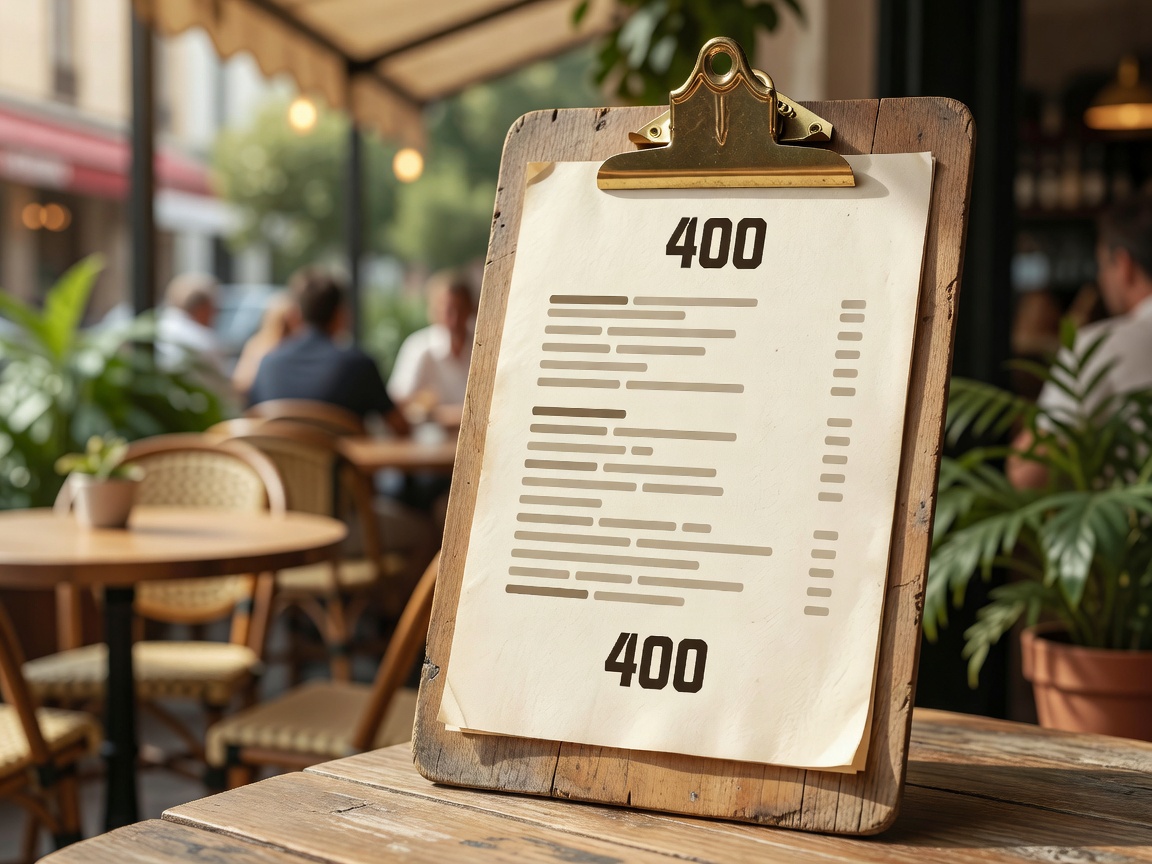
The physical presentation of a bistro menu often leans heavily into raw, tactile materials that reflect an authentic, unpretentious ethos. Clipboards—whether raw wood, brushed steel, or acrylic—are ubiquitous for a reason. They allow for the easy swapping of single, heavy-stock sheets as seasonal ingredients change, while maintaining a sturdy, intentional feel in the diner's hands.
Brown kraft paper is another frequent choice, signaling a farm-to-table freshness and a rejection of stiff formality. However, operators must be cautious with contrast; printing dark text on brown paper requires bold, legible typefaces to ensure readability in the dim, atmospheric lighting typical of evening bistro service.
The Role of the Chalkboard
No discussion of casual bistro design is complete without mentioning the auxiliary menu: the chalkboard. Usually positioned prominently near the entrance or above the bar, the chalkboard is the ultimate tool for immediacy. It handles daily specials, fresh catches, and limited-run desserts.
Psychologically, items written in chalk feel fleeting and scarce, prompting diners to order them out of fear of missing out (FOMO). From a design perspective, a well-executed chalkboard requires genuine artistic skill—messy, illegible handwriting will degrade the brand, whereas clean, stylised chalk typography reinforces the artisan nature of the establishment.
Conclusion
Designing for the casual bistro requires a masterful blend of approachability and profitability. By utilising tactile materials, evocative but clear language, and strategic layout choices that encourage communal dining and beverage pairings, operators can craft a menu that perfectly encapsulates the convivial spirit of bistro culture.